

14,000+
hours/year of automation-ready effort
Before, it was turn on AI and hope. Now we know exactly which processes to automate, what we'll save, and how to prove we got there.

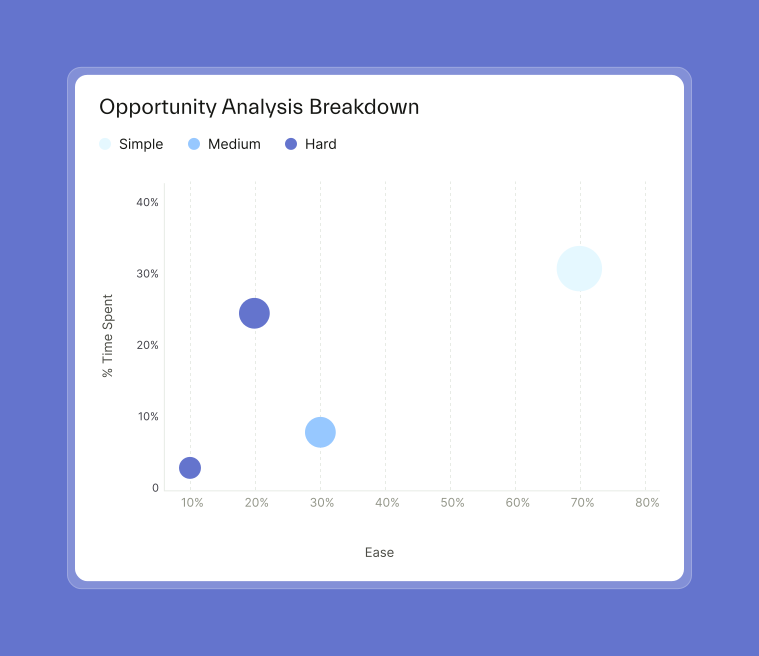
Identify the right opportunities
Focus AI investment on the workflows where it can create the greatest business impact.
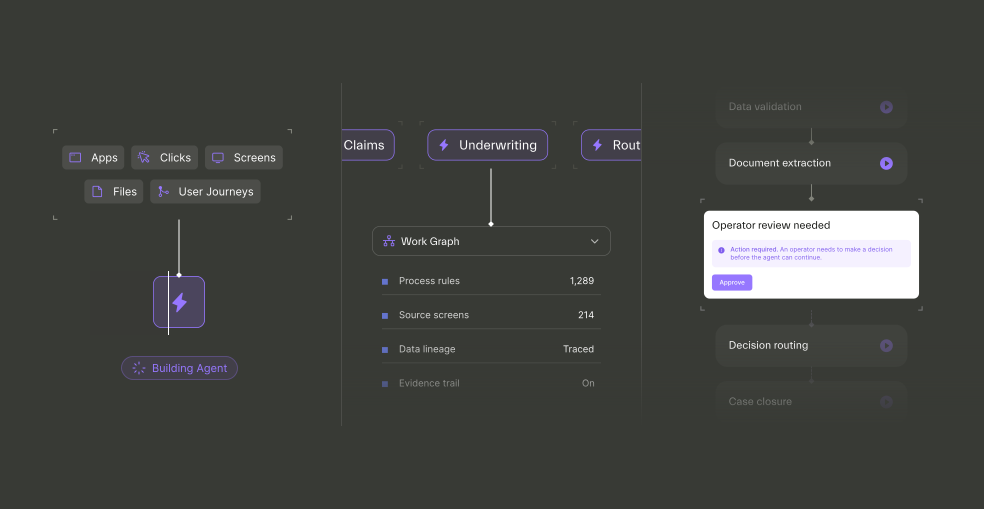
Build on operational reality
Give agents the verified context they need to handle exceptions, adapt to real workflows, and perform reliably, without wasting capacity on unstructured data.
Deploy with confidence
Launch agents with the context, controls, and enterprise security your environment demands, including governance, audit trails, and data that stays inside your network.
Measure AI impact
Track adoption, productivity gains, and business outcomes across every deployment.
Before you deploy agents, you need to understand how critical workflows actually run. Skan AI captures the steps, decisions, exceptions, and rework driving cost and complexity across the enterprise.

Prioritize the workflows where agents can deliver the greatest productivity gains, cost reduction, and business impact.
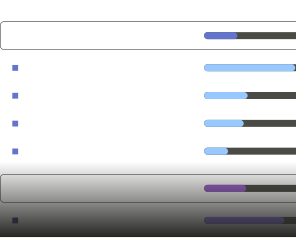
Classify work based on its nature and complexity

Rank AI opportunities by business impact
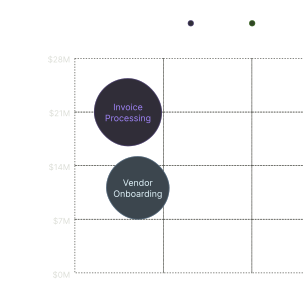
Build a roadmap with measurable ROI at every stage
Move beyond simple pilots and deploy agents into the complex, cross-functional workflows that drive real business outcomes.
Skan AI measures every agent’s impact against the business KPIs that matter most, helping teams prove value, optimize performance, and scale adoption with confidence.
Track agent performance against operational KPIs
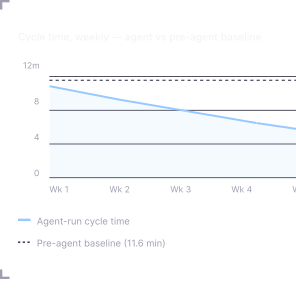
Measure productivity, quality and business impact over time
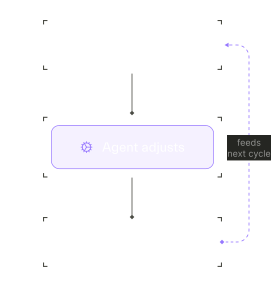
Continuously improve agents through observed outcomes
Enterprise AI initiatives often struggle to scale because they lack process context. Without visibility into how work is performed across systems, teams, and workflows, AI agents find it hard to handle exceptions, adapt to operational complexity, and deliver consistent business outcomes.
Successful enterprise AI deployments begin with an accurate understanding of how work is performed. Agents need operational context to make decisions, navigate exceptions, and operate effectively across complex, cross-functional workflows.
Not always. Many organizations start by identifying high-value workflows and then configuring or adapting agents to those processes. The most effective deployments are grounded in observed operational reality rather than assumptions, static documentation, or generic templates.
AI governance requires visibility into how agents perform, where they create value, and how decisions are made. Effective oversight combines performance monitoring, business outcome tracking, auditability, and human review where appropriate.
